Building Stories: The Art of Architectural Photography
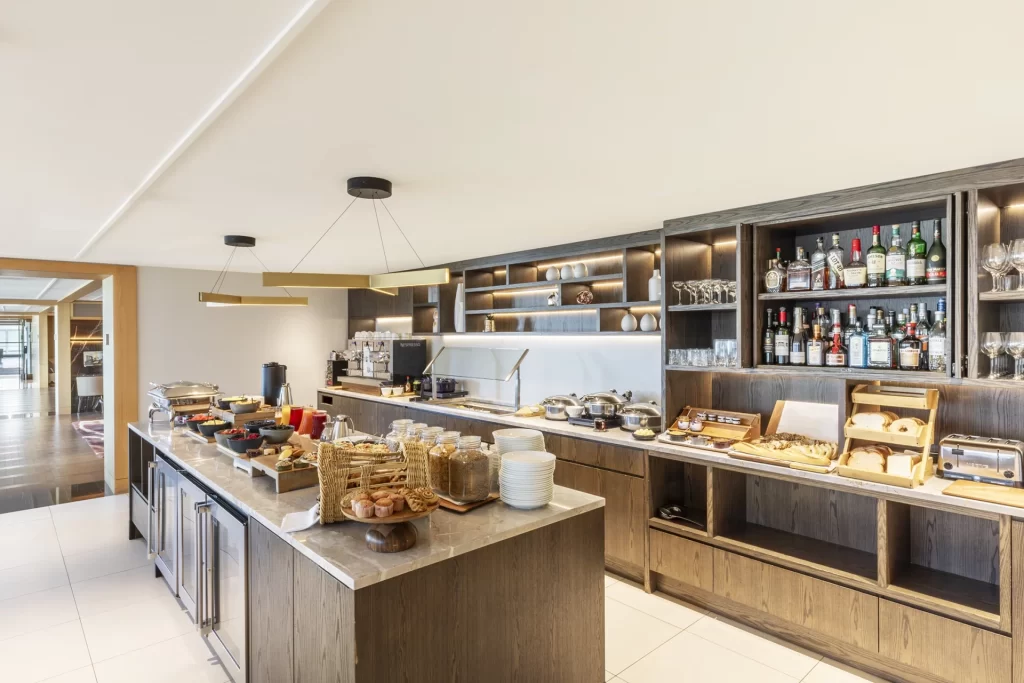
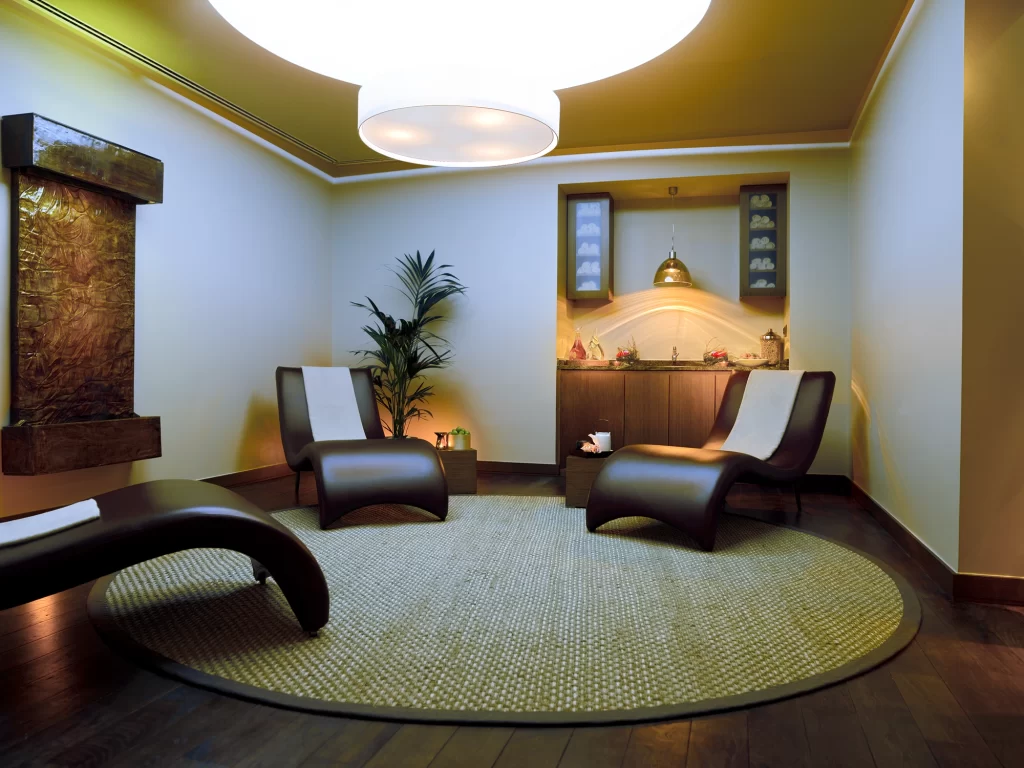
Welcome to the captivating world of architectural photography, where every building tells a story through the lens of a camera. Architects design spaces that shape our lives, and photographers capture the essence of these structures in a visual narrative. In this blog post, we will delve into the art of architectural photography, exploring how photographers bring buildings to life and create compelling stories through their images.
The Magic of Architectural Photography
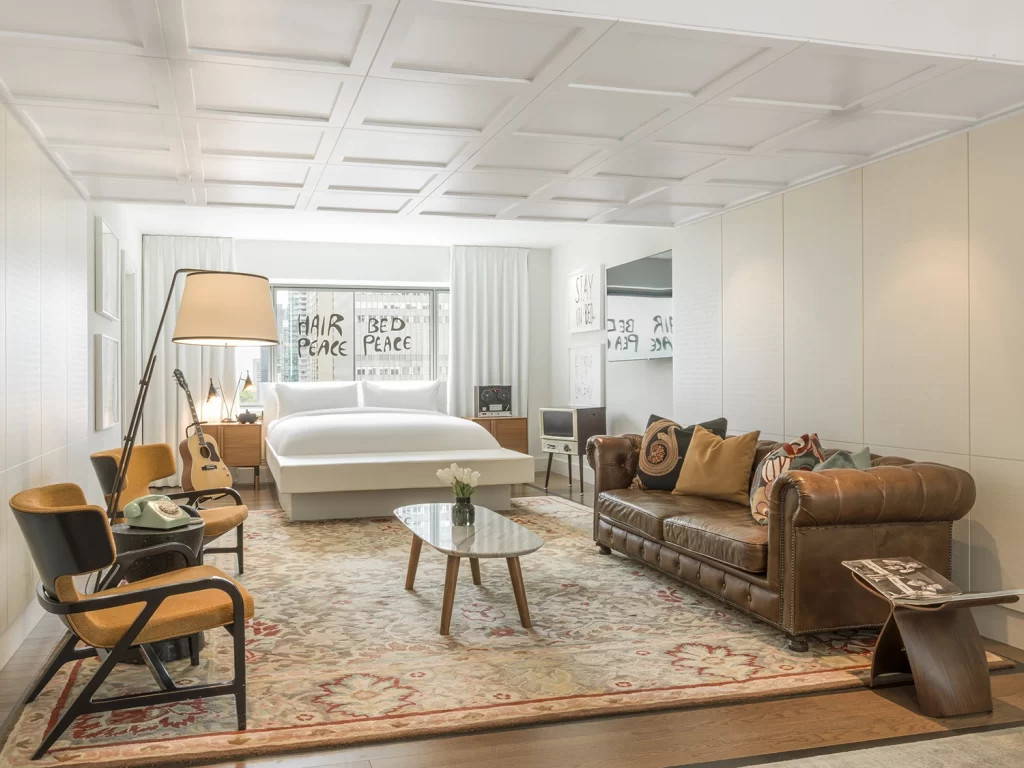
Architectural photography is more than just capturing buildings; it’s about revealing the soul of a structure. Photographers use light, composition, and perspective to showcase the beauty, symmetry, and intricacies of architectural designs. Each photograph is a work of art that conveys the vision and emotions behind the building.
Key Elements of Architectural Photography
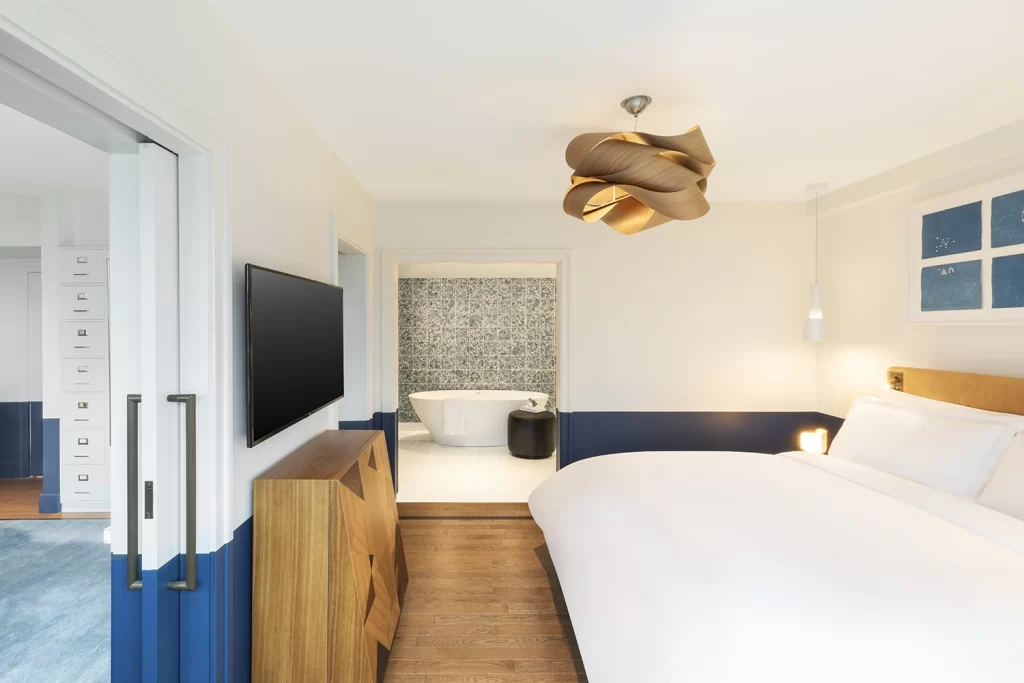
- Lighting: Natural light can enhance the textures and details of a building, while artificial light can create dramatic effects.
- Composition: Framing and angles play a crucial role in highlighting the unique features of a structure.
- Scale and Proportion: Capturing the scale of a building relative to its surroundings can add depth and context to the image.
- Details: Close-up shots of architectural details can offer a new perspective on the design elements.
Tips for Capturing Stunning Architectural Shots
Whether you’re a professional photographer or an enthusiast exploring architectural photography, here are some practical tips to help you create compelling images:
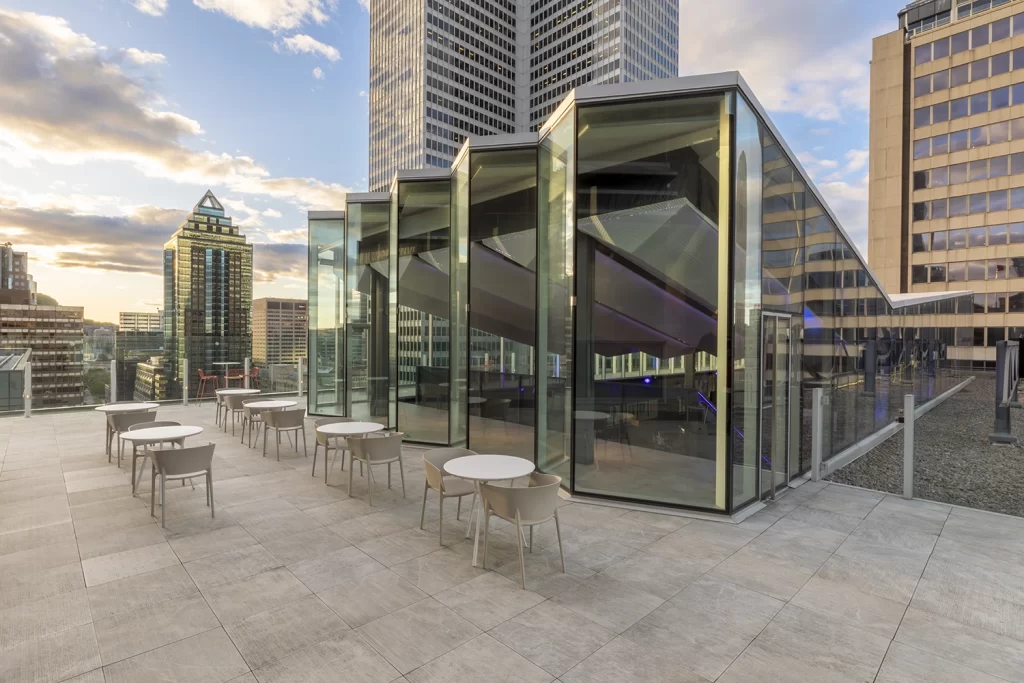
1. Scout the Location
Before you start shooting, take the time to explore the building and its surroundings. Look for interesting angles, lighting conditions, and unique perspectives that can add depth to your photographs.
2. Play with Light and Shadow
Experiment with different lighting conditions to create mood and atmosphere in your photos. Early morning light can cast long shadows, while golden hour light can add warmth to the scene.
3. Focus on Details
Don’t overlook the small details that make a building unique. Capture intricate patterns, textures, and architectural elements that tell a story about the design.
4. Use Leading Lines
Leading lines can guide the viewer’s eye through the image and create a sense of movement and depth. Look for architectural elements like staircases, corridors, or windows that can act as leading lines in your composition.
Examples of Stunning Architectural Photography
Let’s take a look at some inspiring examples of architectural photography that showcase the diversity and creativity in capturing buildings:
- Guggenheim Museum, Bilbao: The iconic curves and reflective surfaces of Frank Gehry’s masterpiece come to life in a photograph that captures the play of light and form.
- Flatiron Building, New York City: This historic building’s triangular shape and intricate details make it a favorite subject for photographers looking to capture architectural beauty in an urban setting.
- Sydney Opera House, Australia: Jørn Utzon’s architectural marvel is a photographer’s dream, with its sail-like roofs and stunning waterfront location offering endless photo opportunities.
Conclusion
Architectural photography is a blend of art, technology, and storytelling that allows us to appreciate the beauty and creativity behind the buildings that shape our world. By mastering the art of architectural photography, photographers can capture the essence of architectural designs and create visual narratives that inspire and captivate viewers.
So, next time you look at a building, remember that it’s not just a structure but a story waiting to be told through the lens of a camera.