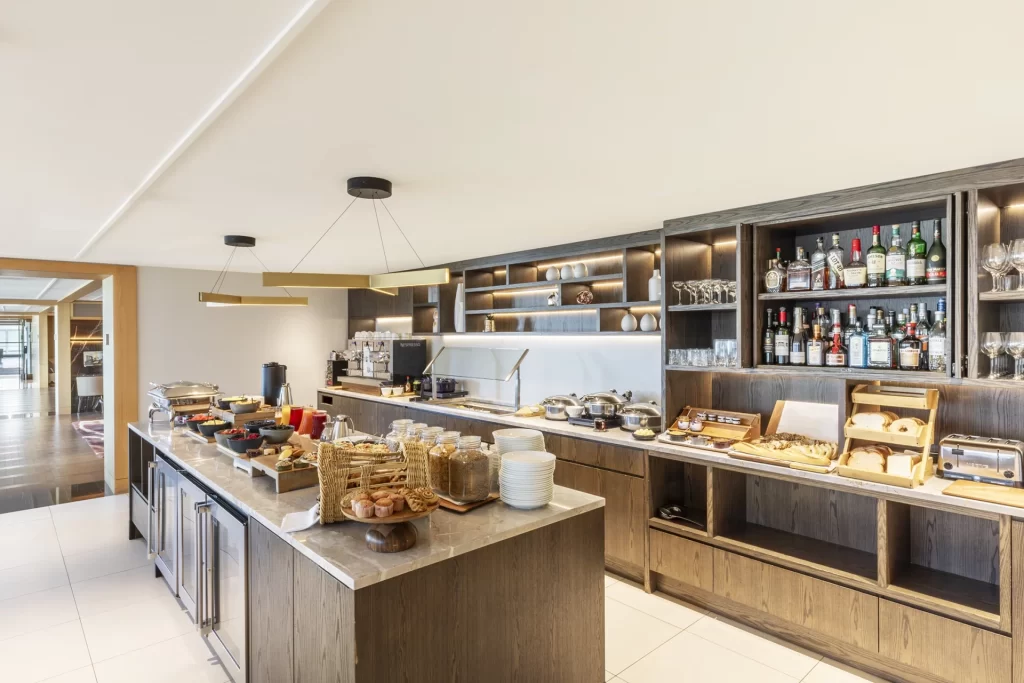
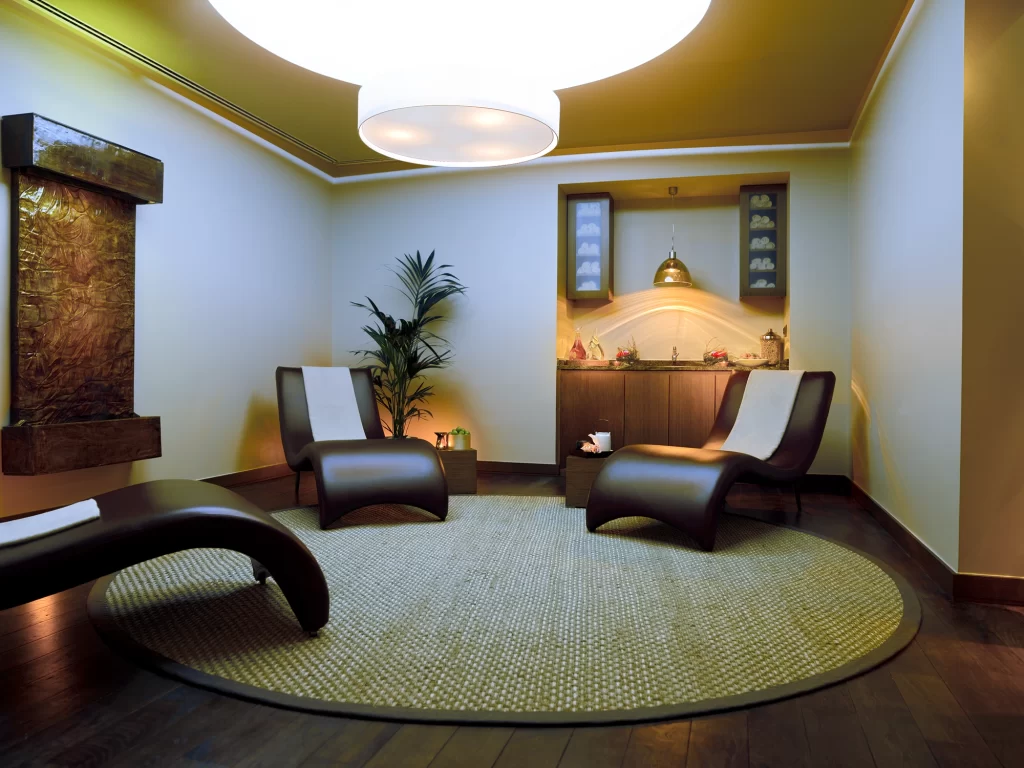
Maximizing Visual Appeal: The Role of Professional Photography in Interior Design
In the fast-paced world of interior design, visual appeal plays a crucial role in capturing the attention of clients and showcasing the beauty of a space. Professional photography has become an indispensable tool for interior designers to effectively communicate their design concepts and showcase their work in the best light possible. In this blog post, we will delve into the significance of professional photography in interior design and how it can elevate the overall aesthetic of a space.
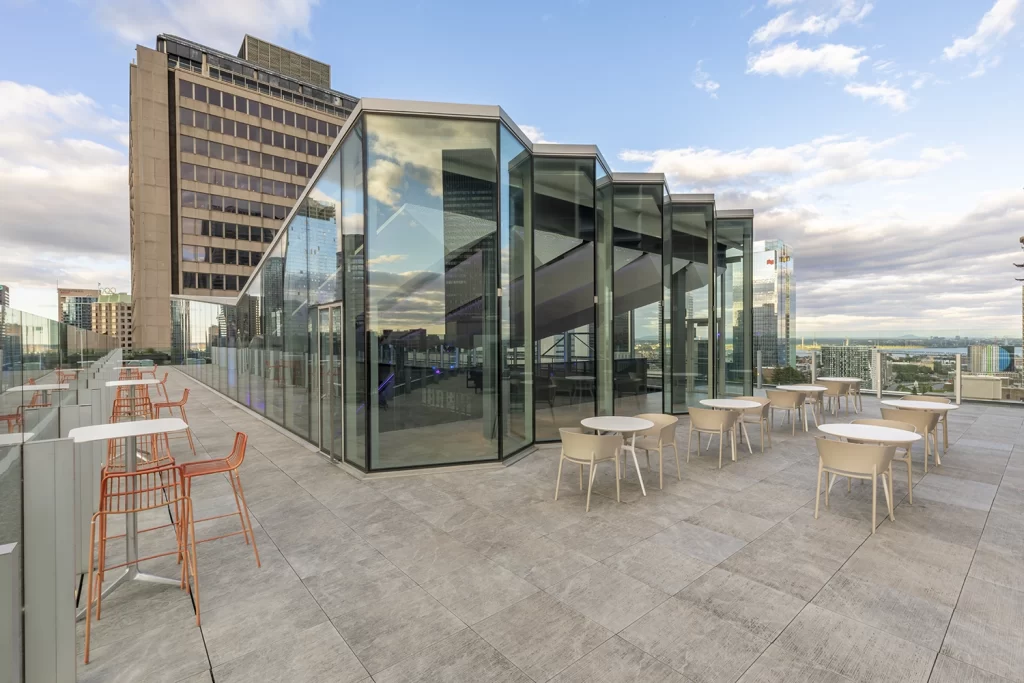
The Impact of Professional Photography
Professional photography can make a world of difference in how a space is perceived. High-quality images captured by skilled photographers can highlight the unique features of a design, showcase intricate details, and evoke emotions in viewers. In the competitive landscape of interior design, having stunning photography can set designers apart from the rest and attract potential clients.
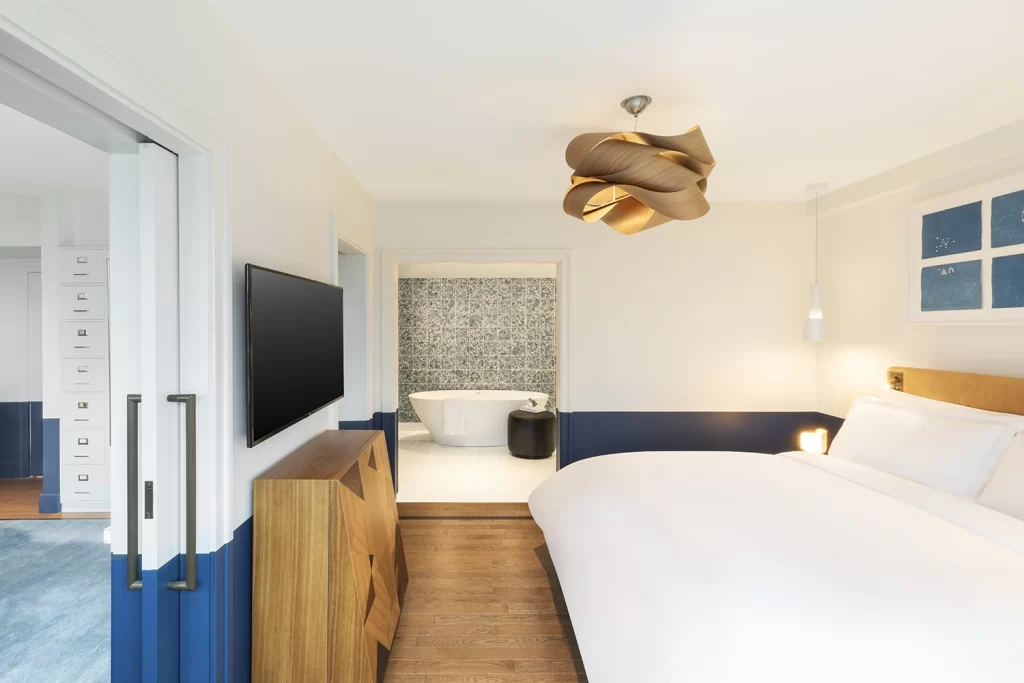
Benefits of Professional Photography for Interior Designers
- Enhanced Visual Communication: Professional photography enables interior designers to effectively communicate their design concepts to clients, collaborators, and the public.
- Brand Building: Consistent use of high-quality images in portfolios, social media, and marketing materials can help build a strong and recognizable brand for interior designers.
- Increased Credibility: Crisp and captivating images can enhance the credibility of an interior designer and showcase their attention to detail and professionalism.
- Improved Online Presence: In today’s digital age, visually appealing photographs can attract more visitors to a designer’s website and social media profiles, increasing online visibility and engagement.
Practical Tips for Interior Designers
When working with a professional photographer, interior designers can follow these tips to ensure the best results:
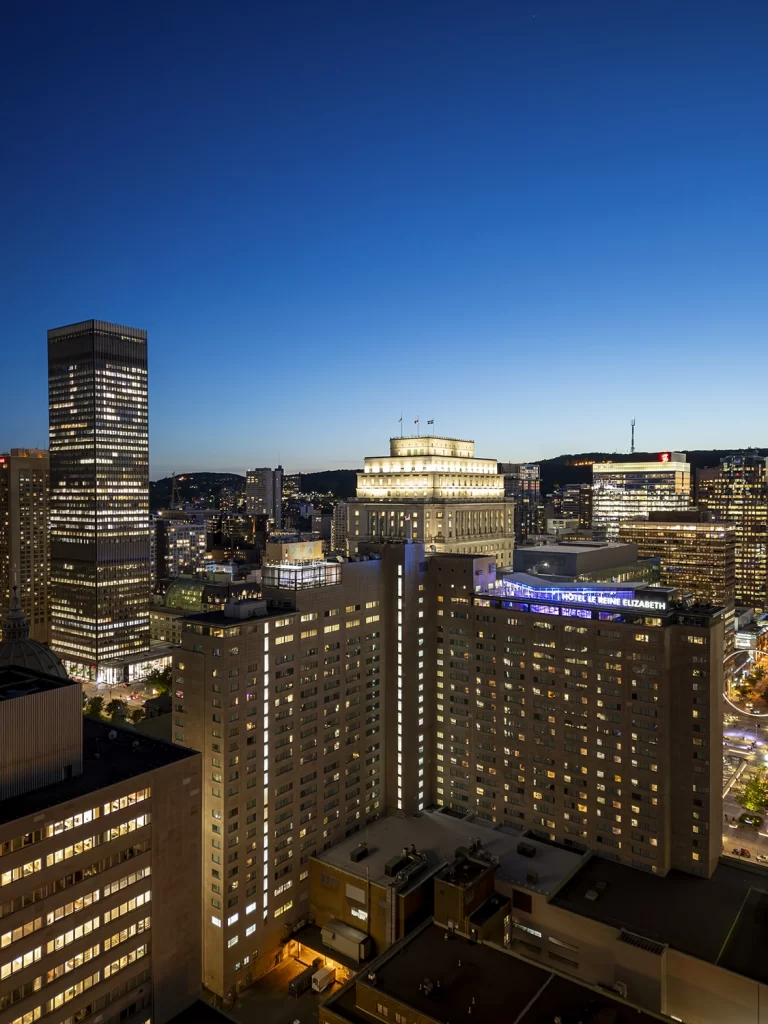
- Plan the Shoot: Define the objectives, desired shots, and key features to be highlighted before the photoshoot.
- Staging: Arrange the space to showcase its best features, decluttering as needed and adding decorative elements to enhance the overall look.
- Lighting: Ensure proper lighting to capture the true colors and textures of the space, using natural light whenever possible.
- Post-Production: Collaborate with the photographer on editing and retouching to enhance the images while maintaining the integrity of the design.
Conclusion
Professional photography plays a pivotal role in the success of interior designers by enhancing the visual appeal of their work and effectively communicating their design vision. By investing in high-quality photography, designers can showcase their projects in the best possible light, attract clients, and build a strong brand presence in the industry. In the competitive world of interior design, stunning photography can be the key to standing out and making a lasting impression on clients and audiences alike.