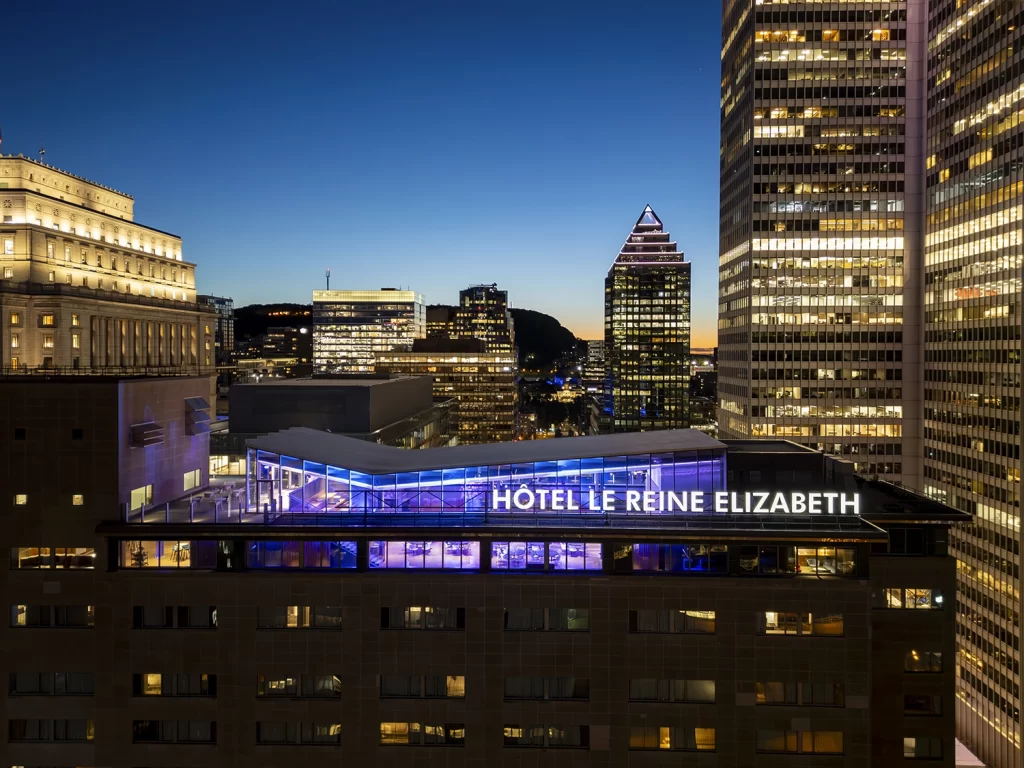
The Essential Guide to Professional Photography for Interior Designers
As an interior designer, showcasing your work through visually stunning photography is crucial in attracting clients and setting yourself apart in a competitive industry. Professional photography not only captures the essence of your design projects but also helps in conveying your unique style and attention to detail. In this comprehensive guide, we will explore the importance of professional photography for interior designers and provide practical tips to help you enhance your portfolio.
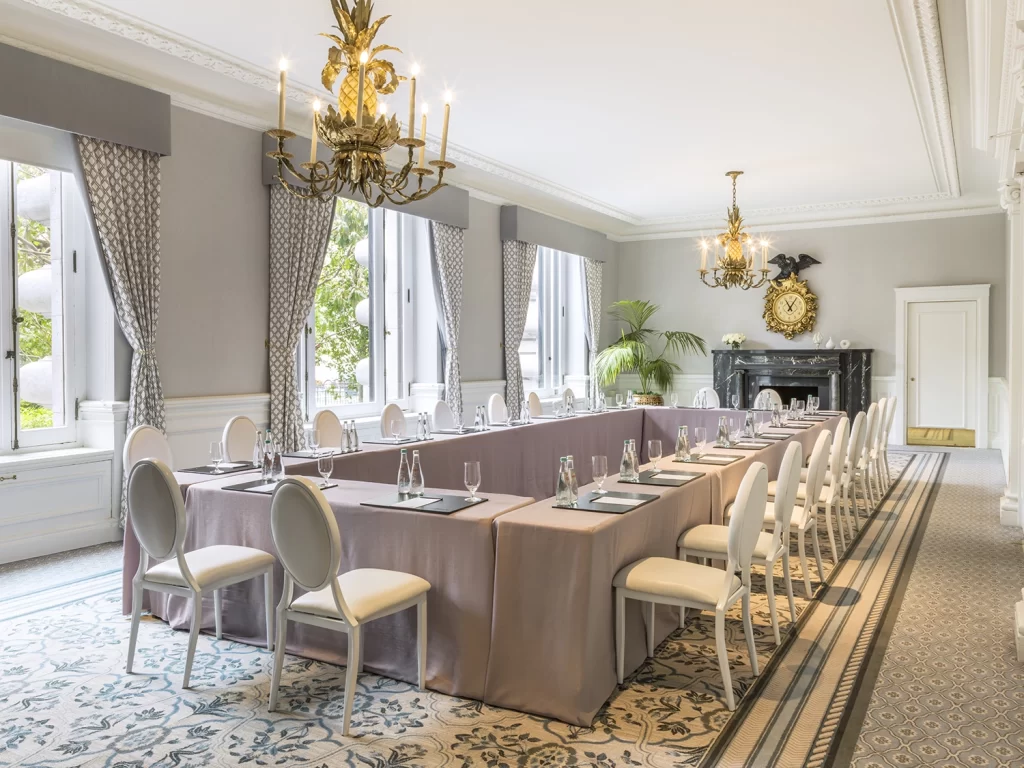
The Importance of Professional Photography for Interior Designers
Professional photography plays a vital role in the success of interior designers by effectively showcasing their work in the best possible light. High-quality images can help potential clients visualize the design concepts, materials, and finishes used in a project, creating a compelling narrative that resonates with the target audience.

Benefits of Professional Photography for Interior Designers:
- Enhances the visual appeal of your portfolio
- Highlights the unique features of your design projects
- Builds credibility and trust with clients
- Boosts your online presence and attracts a larger audience
Practical Tips for Professional Photography
Here are some practical tips to help you capture stunning images of your interior design projects:
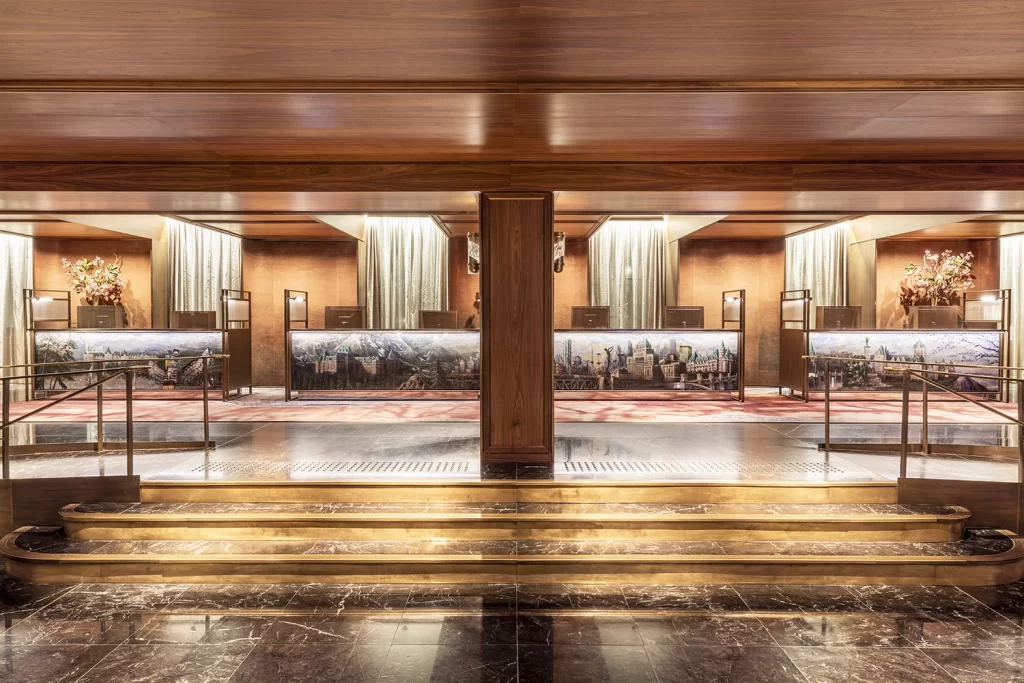
1. Lighting is Key
Proper lighting is essential for capturing the true essence of a space. Natural light can create a warm and inviting atmosphere, while artificial lighting can be used strategically to enhance specific areas of a room.
2. Focus on Composition
Pay attention to the composition of your shots to create visually pleasing images. Experiment with different angles, perspectives, and framing techniques to highlight the key elements of your design.
3. Showcasing Details
Close-up shots of intricate details, textures, and materials can add depth and character to your photography. Focus on capturing the unique features that set your design projects apart.
4. Editing and Retouching
Post-processing plays a crucial role in enhancing the overall look of your images. Use editing tools to adjust colors, contrast, and sharpness to achieve a polished and professional finish.
Conclusion
In conclusion, professional photography is an indispensable tool for interior designers to showcase their creativity and expertise effectively. By investing in high-quality photography, you can elevate your portfolio, attract more clients, and establish a strong online presence in the competitive design industry. Remember to focus on lighting, composition, and attention to detail to create captivating images that truly reflect your design vision.