Light, Lines, and Angles: The Essentials of Capturing Architecture Through Photography
Architecture photography is a fascinating genre that allows photographers to capture the beauty and intricacies of buildings and structures. In this blog post, we will explore the key elements of architecture photography, including how light, lines, and angles play a crucial role in creating stunning images.

The Importance of Light in Architecture Photography
Light is one of the most critical aspects of photography, and it plays a significant role in architecture photography as well. The way light interacts with buildings can dramatically change the mood and atmosphere of a photograph.

Tips for Using Light in Architecture Photography:
- Shoot during the golden hours (sunrise and sunset) for soft, warm light.
- Experiment with different angles to capture how light creates shadows and highlights on the building.
- Use artificial lighting to enhance details and create a dramatic effect.
Utilizing Lines and Angles to Create Compelling Images
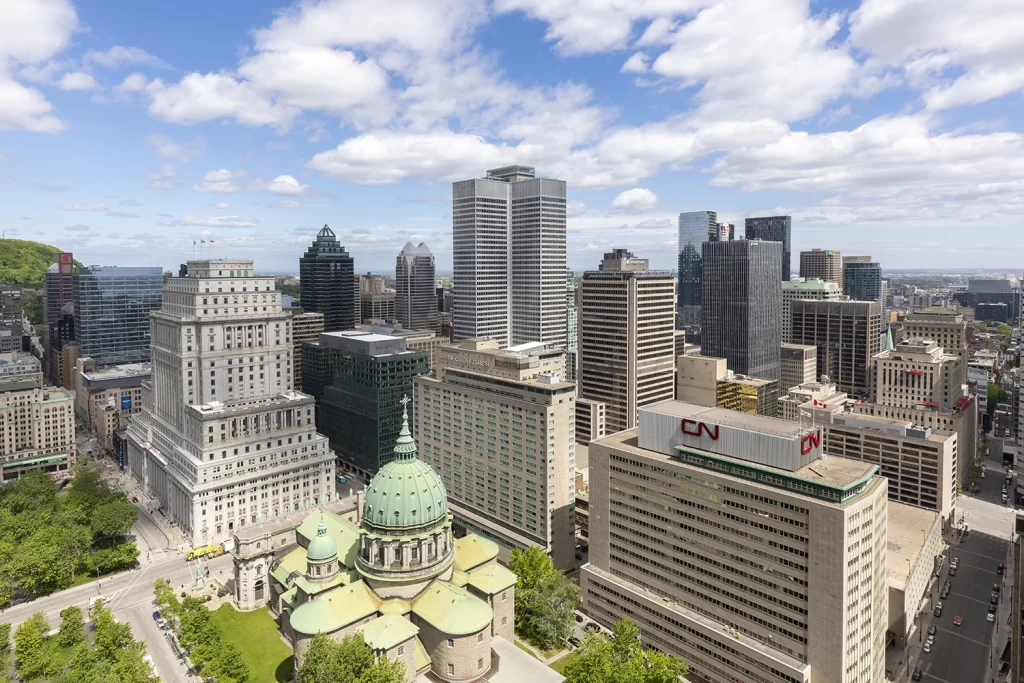
Lines and angles are essential elements in architecture photography that help create structure, depth, and visual interest in a photograph. By paying attention to the lines and angles of a building, photographers can compose captivating images.
Techniques for Using Lines and Angles in Architecture Photography:
- Look for leading lines that guide the viewer’s eye through the photograph.
- Experiment with different perspectives to find unique angles that highlight the building’s architecture.
- Use symmetry and patterns to create visually appealing compositions.
Practical Tips for Capturing Architectural Details
Architectural photography is not just about capturing the entire building; it’s also about highlighting the intricate details and textures that make each structure unique.
Strategies for Capturing Architectural Details:
- Focus on specific elements such as windows, doors, or ornate decorations.
- Get up close to capture textures and materials like brick, glass, or metal.
- Use a tripod to ensure sharpness and clarity in detailed shots.
Conclusion
Mastering architecture photography requires a keen eye for composition, an understanding of light, lines, and angles, and a passion for capturing the beauty of buildings. By incorporating these essential elements into your photography, you can create compelling images that showcase the artistry of architecture.