AI-Powered Image Analysis: The Next Frontier in Photography
In today’s digital age, the integration of artificial intelligence (AI) in photography is revolutionizing the way we capture, edit, and analyze images. AI-powered image analysis tools have the potential to enhance the quality of photographs, streamline post-processing tasks, and unlock new creative possibilities for photographers. This blog post explores how AI is reshaping the photography industry and the exciting possibilities it offers for both professionals and enthusiasts alike.

The Rise of AI in Photography
Artificial intelligence has made significant strides in recent years, transforming various industries, including photography. AI algorithms can now analyze and interpret visual data with remarkable accuracy, enabling photographers to automate repetitive tasks and focus more on their creative vision. From image recognition to content-aware editing, AI-powered tools are becoming indispensable in the photography workflow.
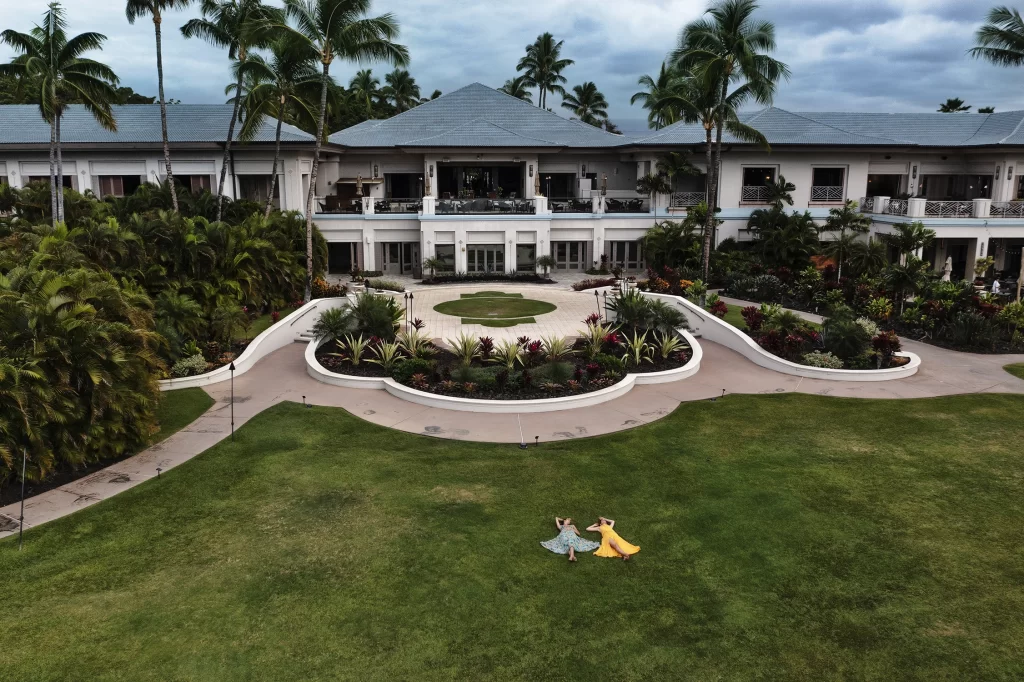
Enhancing Image Quality
One of the key advantages of AI-powered image analysis is its ability to enhance image quality. AI algorithms can automatically adjust parameters such as exposure, contrast, and color balance to optimize the visual appeal of photos. For example, AI-powered noise reduction algorithms can effectively reduce digital noise in low-light images, resulting in cleaner and sharper photographs.

Streamlining Post-Processing
AI technology has also revolutionized the post-processing stage of photography. Tools like AI-powered image retouching and enhancement software can automatically remove blemishes, smooth skin tones, and enhance details with just a few clicks. This not only saves time for photographers but also ensures consistent results across a large volume of images.
Practical Applications of AI in Photography
AI-powered image analysis tools are being used in various applications within the photography industry. Some practical examples include:
- Automated Tagging and Sorting: AI algorithms can analyze image content and automatically assign relevant tags, making it easier to search and organize large photo libraries.
- Facial Recognition: AI-powered facial recognition technology can identify faces in photos, enabling photographers to quickly tag individuals and group photos efficiently.
- Style Transfer: AI algorithms can apply artistic styles to photographs, transforming ordinary images into unique works of art.
The Future of AI in Photography
The integration of AI in photography is still in its early stages, but the potential for growth and innovation is immense. As AI algorithms continue to evolve and improve, we can expect to see even more advanced features and capabilities in photography software. From intelligent composition suggestions to real-time image analysis, the future of photography is set to be shaped by AI technology.
Conclusion
AI-powered image analysis is transforming the photography industry, offering photographers new tools and capabilities to enhance their craft. By leveraging AI algorithms for tasks like image enhancement, content recognition, and creative editing, photographers can streamline their workflow and unlock new creative possibilities. As AI technology continues to advance, we can expect to see even more exciting developments in the field of photography, making it an exciting time to be a part of this dynamic industry.